
Women's Sport and the Fight for Equal Pay
Sep 14, 2026 • 10 min read
Equal pay remains a major issue in women's sport despite growing audiences, sponsorship, media coverage, and professional opportunities. This article explores the causes of the pay gap, athlete-led campaigns, progress across sports, and the role of investment and commercial growth in creating more equitable opportunities.
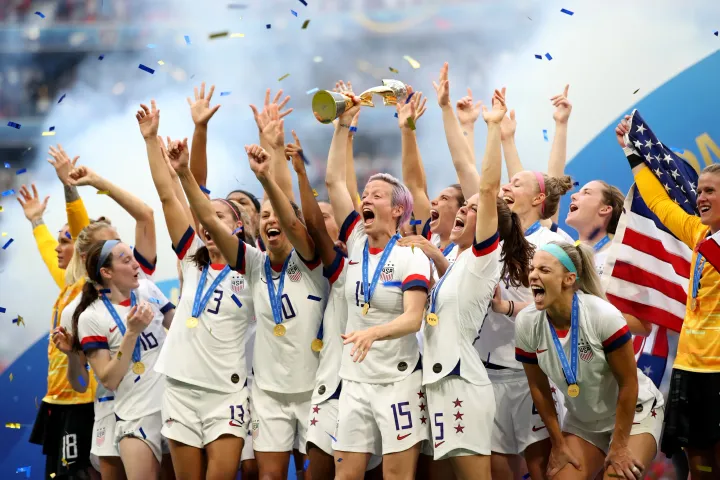
Across Canada and beyond, women's sport is attracting larger audiences, stronger commercial interest, and more media attention than it did a decade ago.
Yet many female athletes still earn far less than their male counterparts, and the gap remains one of the most debated issues in modern sport.
The divide is shaped by history, investment, media exposure, sponsorship, and the commercial structures built around different competitions.
This article looks at where the pay gap comes from, what athletes are doing to challenge it, and how much progress has been made so far.
Where the Pay Gap Comes From?
The wage difference between men and women in sport isn't a single problem with a single cause.
It's a mix of history, commercial development, investment, and long-standing assumptions about which competitions attract the most attention.
For decades, women's competitions received far less media coverage. Fewer broadcasts meant smaller audiences, which contributed to lower sponsorship deals and prize pools.
Meanwhile, major men's leagues developed large commercial ecosystems supported by television contracts, sponsorships, ticket sales, and merchandising. Some of the most common reasons cited for the gap include:
- Revenue differences tied to broadcast deals and ticket sales;
- Limited investment in marketing women's teams and events;
- Unequal prize money in some tournaments and competitions;
- Fewer sponsorship opportunities for female athletes;
- Scheduling choices that can place women's games in less prominent time slots.
In sport, “equal pay” can also mean different things. Depending on the competition, it may refer to prize money, national-team match fees, league salaries, revenue sharing, bonuses, or broader compensation structures.
The Athletes Leading the Charge
Change rarely happens quietly, and women's sport is no exception. Some of the strongest pressure for reform has come directly from athletes who challenged existing pay structures and working conditions.
The U.S. women's national soccer team became a global symbol of the equal-pay debate after taking legal action and later reaching agreements that established equal economic terms for the U.S. men's and women's senior national teams. Their campaign helped push the discussion far beyond soccer.
Canadian athletes have also pressed for change. Members of Canada's women's national soccer team have publicly challenged Canada Soccer over compensation, funding, training conditions, and transparency, making equal treatment a major issue within Canadian sport.
Growing interest in women’s competitions is also visible across the wider sports-entertainment market.
Sports fans may increasingly follow or bet on women’s events, while players on Spin City casino can also find sports-themed titles, including tennis games.
That does not directly affect athlete pay, but it shows how sport continues to influence entertainment formats beyond live competition.
Progress by the Numbers
It would be unfair to say nothing has changed. Several sports have taken meaningful steps toward more equal compensation, although progress varies widely between leagues and countries.
| Sport / Area | Earlier Situation | Recent Progress |
|---|---|---|
| Tennis Grand Slams | Unequal prize money at some majors | Equal prize money at all four Grand Slams |
| U.S. national soccer | Different compensation structures | Equal economic terms under 2022 agreements |
| Women's cricket | Lower pay and fewer professional opportunities | Salaries and league investment have increased in several markets |
| Professional hockey | Limited stable top-level opportunities | PWHL launched in 2024 and expanded to 12 teams for the 2026–27 season. |
Tennis is one of the clearest examples of progress, with equal prize money now established across all four Grand Slam tournaments.
Soccer, cricket, and hockey are moving at different speeds, but professional opportunities and commercial investment have expanded significantly in parts of each sport.
Why It Matters Beyond Money?
Equal pay is about more than the size of a paycheque. Compensation affects whether athletes can train full-time, access professional support, and build sustainable careers without relying heavily on outside employment.
Better financial conditions can also strengthen the sport itself. Athletes who have greater access to coaching, recovery, medical care, and training time are better positioned to compete consistently and remain in the sport for longer.
There are broader effects worth considering:
- Stronger role models for the next generation;
- Longer and more sustainable athletic careers;
- Better professional conditions and support;
- Greater visibility for women's competitions;
- More opportunities for future commercial growth.
Pay also sends a signal about how seriously a competition is treated. When leagues invest in athletes, facilities, marketing, and broadcasting together, the sport has a stronger foundation for long-term growth.
The Road Ahead
The push for equal pay in women's sport is far from finished, but progress has become more visible.
Athletes are speaking publicly about compensation, audiences are growing in several sports, and sponsors and broadcasters are investing more heavily than in previous decades.
Canada has its own role in that shift, with athletes and organizations continuing to debate compensation, funding, professional opportunities, and working conditions.
Equal prize money or national-team pay in one sport does not automatically solve salary gaps elsewhere, especially in commercial leagues with very different revenue structures.
What once seemed distant now looks more achievable in some sports, though progress remains uneven across leagues, countries, and competitions.
The next stage will depend not only on athlete advocacy, but also on sustained investment, media coverage, sponsorship, and the ability of women's competitions to turn growing audiences into stronger long-term commercial structures.